Visit our family dental office

Many Gilbert parents ask the same question: Is your child a candidate for cavity prevention in Gilbert? The short answer is yes — almost every child can benefit from some form of preventive care. But the right approach depends on your child’s age, risk factors, and oral health history. Understanding candidacy helps parents make confident decisions for their kids.
At My Pediatric Dentist, Dr. Austin McHenry helps families throughout the Gilbert area understand exactly what their child needs. Prevention is always more effective — and less stressful — than treating cavities after they form. This guide walks you through who benefits most, what the evaluation involves, and which treatments fit which children best.
Why Cavity Prevention Candidacy Matters for Gilbert Families
Not every child carries the same cavity risk. Some kids develop cavities frequently despite good brushing habits. Others rarely see decay even with occasional sugary treats. Understanding your child’s individual risk level is the foundation of smart preventive care.
Several factors raise a child’s cavity risk significantly. Diet, saliva quality, tooth anatomy, and family history all play a role. Children with deep grooves in their molars, for example, trap food and bacteria more easily. Kids who snack frequently or drink juice regularly also face higher risk.
Identifying these risk factors early allows Dr. McHenry to build a targeted prevention plan. That plan may look very different from one child to the next. One child might need fluoride treatments twice a year. Another might benefit most from sealants or dietary coaching. Personalized care gets better results than a one-size-fits-all approach.
Is Your Child a Candidate for Cavity Prevention in Gilbert? Signs to Watch For
Some children show clear signs that they need stronger preventive support. Parents should speak with Dr. McHenry if they notice any of the following warning signs in their child.
- White or brown spots on teeth — early signs of enamel breakdown
- Frequent toothaches or sensitivity to cold and sweet foods
- Visible pits or staining in back molars
- A history of one or more cavities in the past two years
- A diet high in starchy or sugary snacks and drinks
- Difficulty brushing effectively due to age or special needs
Even without visible symptoms, a child may still have elevated risk. Regular dental exams allow Dr. McHenry to catch early decay before it becomes a larger problem. Early intervention saves children from discomfort and parents from worry.
What the Candidacy Evaluation Involves at My Pediatric Dentist
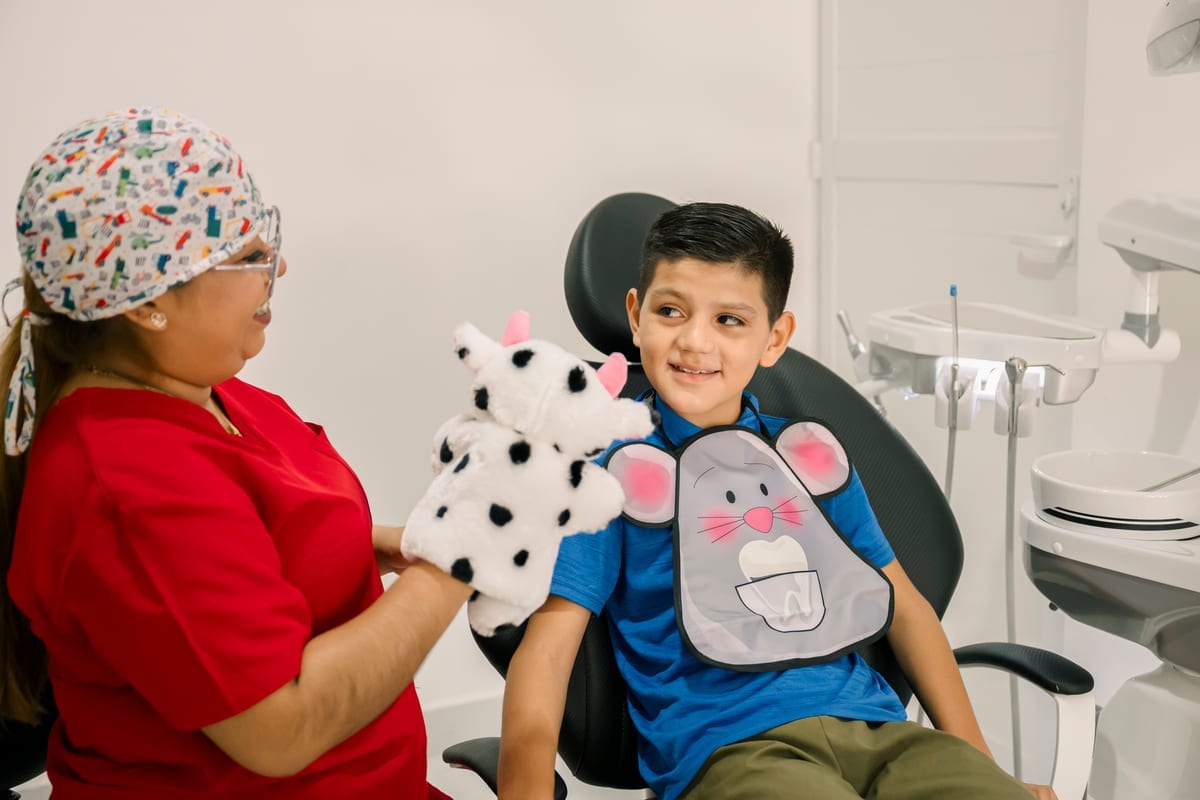
During your child’s evaluation, Dr. McHenry performs a thorough oral health assessment. The visit is gentle, friendly, and designed specifically for young patients. Children’s comfort is always the top priority in our Mesa and Gilbert area office.
The evaluation typically includes the following steps:
- Medical and dental history review — Dr. McHenry reviews past dental records and any health conditions that affect oral health.
- Clinical examination — The doctor carefully checks each tooth for early decay, enamel weakness, and high-risk areas.
- Cavity risk assessment — Factors like diet, oral hygiene habits, saliva flow, and fluoride exposure are all considered.
- X-rays when appropriate — Low-dose digital X-rays help detect decay hiding between teeth.
- Parent consultation — Dr. McHenry discusses findings and recommends a customized prevention plan.
This whole-child approach means treatment recommendations are based on real evidence. Parents leave the visit with a clear picture of their child’s oral health status. They also receive practical, actionable guidance they can use at home right away.
Cavity Prevention Treatments for Kids: Matching the Right Solution to Your Child
Once your child’s risk level is determined, Dr. McHenry recommends the most appropriate preventive treatments. Preventive Dentistry Gilbert options range from simple in-office fluoride treatments to protective sealants applied to back teeth. Each treatment serves a specific purpose and suits a specific type of patient.
Here is a quick overview of common prevention treatments and who benefits most from each:
- Fluoride treatments — Ideal for children at moderate to high cavity risk. Fluoride strengthens tooth enamel and helps reverse very early decay. Most children benefit from professional fluoride every six months.
- Dental sealants — Best suited for children with deep molar grooves. Sealants are thin plastic coatings that seal out bacteria and food. They are most effective when applied as soon as permanent molars erupt.
- Dietary counseling — Recommended for children who consume frequent sugary or acidic foods. Small changes in snacking habits can dramatically reduce cavity risk over time.
- Custom oral hygiene instruction — Especially helpful for younger children or those with special needs. Dr. McHenry and our team teach age-appropriate brushing and flossing techniques.
Some children with significant dental anxiety may struggle to sit through preventive appointments. In those cases, Sedation Dentistry Gilbert options can help your child stay calm and comfortable. Dr. McHenry discusses all sedation choices openly with parents before any appointment.
How Often Should Your Child Be Evaluated for Cavity Prevention?
Most children should visit Dr. McHenry every six months for a checkup and preventive care. However, children with high cavity risk may benefit from more frequent visits. Dr. McHenry adjusts the recommended schedule based on each child’s individual needs.
Starting dental visits early makes a big difference. The American Academy of Pediatric Dentistry recommends a child’s first dental visit by age one. Early visits help build a positive relationship with the dentist. They also allow the team to catch developmental concerns before they worsen.
As your child grows, their risk profile may change. A toddler who needed frequent fluoride treatments may later need only routine cleanings. A teenager with braces, on the other hand, may need extra preventive support. Dr. McHenry re-evaluates candidacy at every visit to keep your child’s plan current.
Frequently Asked Questions
At what age should my child start cavity prevention treatments?
Cavity prevention begins from the very first dental visit, which should happen by your child’s first birthday. Even babies can develop early tooth decay, sometimes called baby bottle tooth decay. Dr. McHenry will assess your infant’s or toddler’s risk and recommend appropriate steps right away.
Are dental sealants safe for children?
Yes, dental sealants are safe, effective, and widely recommended for school-age children. They are made from BPA-free materials and are applied quickly without drilling. Sealants can reduce the risk of cavities in back teeth by up to 80 percent.
How do I know if my child is at high risk for cavities?
High-risk children typically have a history of past cavities, deep molar grooves, or diets high in sugar and starch. Dry mouth, poor brushing habits, and infrequent dental visits also raise risk. Dr. McHenry performs a full risk assessment during your child’s evaluation appointment.
Does my child need fluoride treatments if they use fluoride toothpaste?
Fluoride toothpaste is helpful but may not be enough for children at moderate or high cavity risk. Professional fluoride treatments deliver a higher concentration directly to tooth surfaces. Dr. McHenry will let you know whether your child’s home routine is sufficient or needs extra support.
What if my child is afraid of dental visits?
Dental anxiety is very common in children and is nothing to be ashamed of. Dr. McHenry and the My Pediatric Dentist team are specially trained to work with anxious kids. For children who need additional support, sedation options are available to make every visit calm and comfortable.
Protecting your child’s smile starts with understanding their unique needs. Dr. Austin McHenry and the team at My Pediatric Dentist are here to guide Gilbert families every step of the way. Book Now to schedule your appointment with our team.



Specialized Pediatric Care You Can Count On