Visit our family dental office

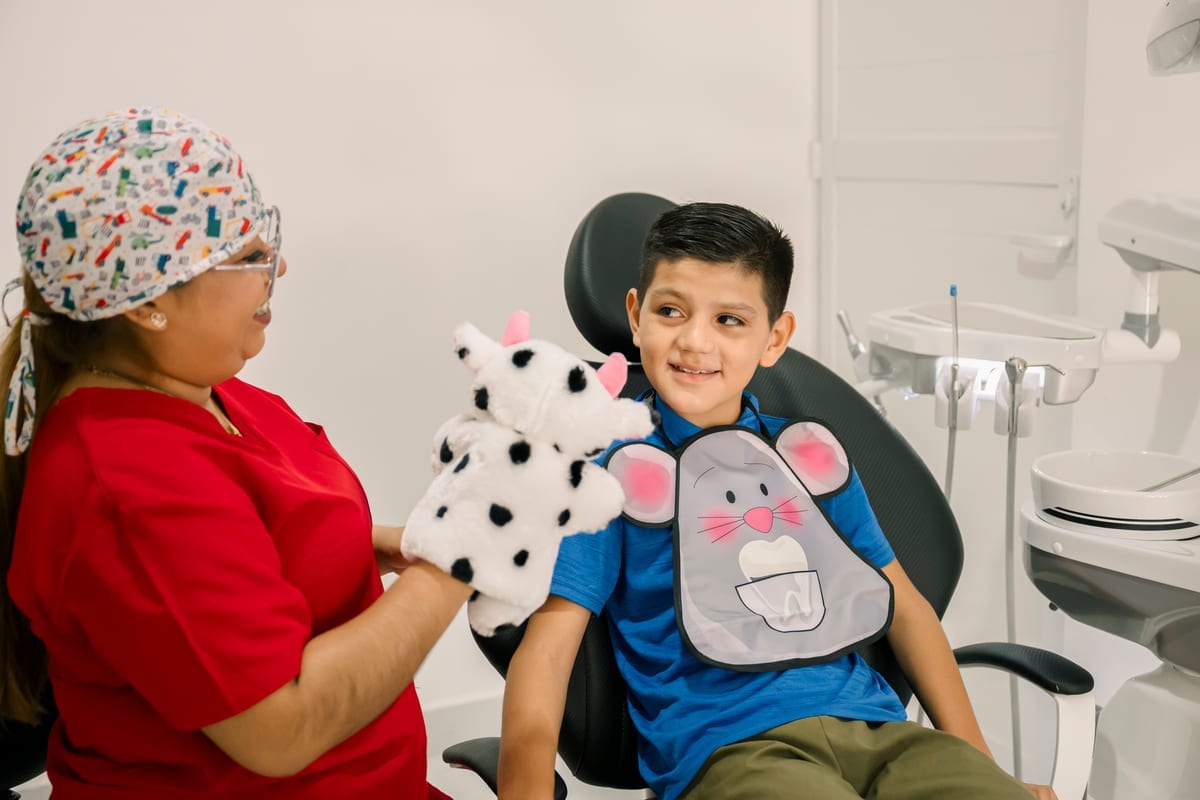
Dental anxiety is one of the most common challenges parents face. If your child dreads the dentist, you are not alone. Helping your anxious child feel calm at the dentist in Mesa starts with understanding why fear happens — and what actually works. At My Pediatric Dentist, Dr. Austin McHenry and our team specialize in making every visit feel safe, gentle, and even enjoyable for kids of all ages.
Fear of the dentist often begins early. A child may feel anxious about unfamiliar sounds, strange equipment, or simply not knowing what to expect. The good news is that parents play a huge role in shaping how children experience dental care.
Why Children Develop Dental Anxiety in Mesa
Dental anxiety in children is not just about being scared. It often stems from a lack of control or predictability. Children thrive on routine and familiar environments. A dental office can feel overwhelming without proper preparation.
Common triggers for dental fear include:
- Unfamiliar smells and sounds in the dental office
- Fear of pain or needles
- Negative stories heard from siblings or peers
- A previous uncomfortable dental experience
- Separation anxiety from parents during treatment
Understanding your child’s specific trigger helps you address it directly. It also helps Dr. McHenry tailor each visit to your child’s comfort level. Open communication between parents and the dental team makes a significant difference.
Practical Tips for Helping Your Anxious Child Feel Calm at the Dentist in Mesa
There are evidence-based strategies that genuinely reduce dental anxiety in children. These approaches do not involve bribing with candy or dismissing your child’s fears. Instead, they validate emotions while building confidence over time.
Try these proven techniques before and during appointments:
- Play pretend dentist at home — Use a toothbrush to count your child’s teeth. Let them do the same to a stuffed animal.
- Read books about dental visits — Stories normalize the experience before it happens.
- Use calm, positive language — Avoid words like
Ready to take the next step? Contact our team today to schedule your appointment — we look forward to helping you achieve a healthier, more confident smile.
Frequently Asked Questions
At what age should my child have their first dental visit?
The American Academy of Pediatric Dentistry recommends scheduling your child’s first dental appointment by age one or when their first tooth appears. Early visits help your child become comfortable with the dental environment and allow your dentist in Mesa to monitor the development of baby teeth and establish healthy habits from the start.
Why do baby teeth matter if they’re just going to fall out?
Baby teeth are essential for proper chewing, speaking, and jaw development. They also hold space for permanent teeth to erupt in the correct position. Cavities or early tooth loss in baby teeth can affect your child’s nutrition and lead to alignment problems with adult teeth later on.
What should I do if my child is extremely nervous about the dentist?
Start by discussing the visit in positive terms and reading children’s books about dental care. Many pediatric dental offices in Mesa use calming techniques like letting children explore the room beforehand and using child-friendly language. Arriving early and maintaining a calm demeanor yourself also helps your child feel more at ease during their appointment.
How can I help my child manage anxiety during the actual appointment?
Ask your dentist about using headphones to listen to music or a hand signal system your child can use if they need a break. Some offices allow a parent to remain visible in the treatment room, which can provide reassurance. Positive reinforcement and praise after the visit helps build confidence for future appointments.
Are baby teeth cavities just as serious as cavities in permanent teeth?
Yes, cavities in baby teeth require prompt treatment to prevent infection and pain. Untreated cavities can affect your child’s eating, speaking, and overall health, and may even impact the development of permanent teeth underneath. Regular brushing, flossing, and dental visits help prevent cavities before they start.



Specialized Pediatric Care You Can Count On