Visit our family dental office

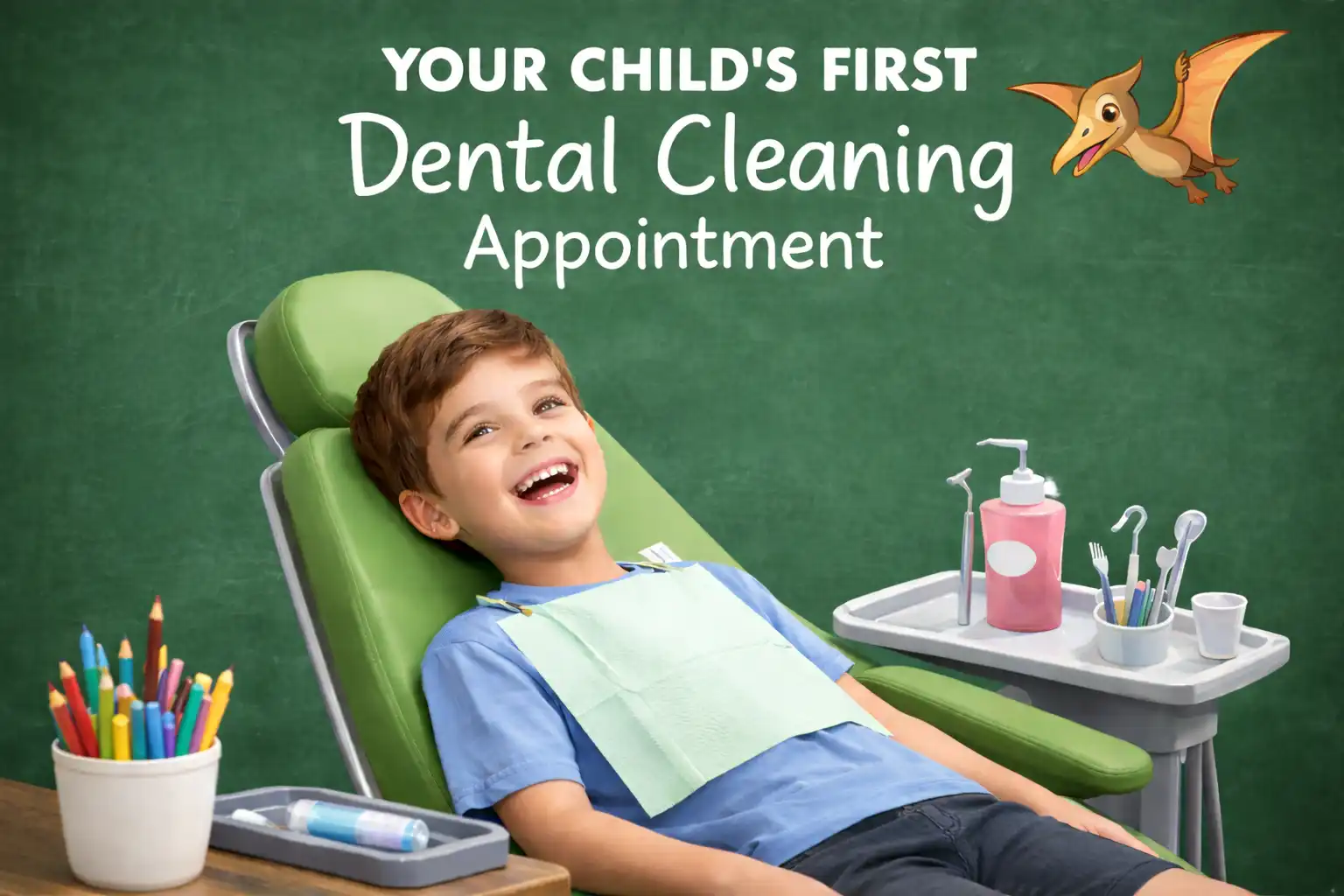
Your child’s first dental cleaning is an exciting milestone. It is often the first step in helping your child feel comfortable at the dentist and building healthy habits that can last a lifetime.
At My Pediatric Dentist in Mesa, we believe a child’s first visit should feel calm, positive, and age-appropriate. Our goal is not just to “clean teeth,” but to help your child feel safe, seen, and confident while giving parents helpful guidance for prevention at home.
Whether your child is excited, nervous, shy, or unsure, our team takes a gentle, child-centered approach every step of the way.
When Should My Child Have Their First Dental Visit?
The American Academy of Pediatric Dentistry recommends that children see a dentist by their first birthday or within six months of the first tooth coming in.
For very young children, the first visit may be more of a “happy visit” than a full cleaning. Depending on your child’s age, comfort level, and dental development, the appointment may include an exam, brushing demonstration, nutrition guidance, and a gentle cleaning if appropriate.
Every child is different, and we tailor the visit to your child’s needs.
How to Prepare Your Child for Their First Dental Cleaning
A little preparation can help your child feel more comfortable before their visit.
Talk About the Dentist in a Positive Way
Use simple, upbeat language. You might say:
“The dentist is going to count your teeth, look at your smile, and help keep your teeth strong and healthy.”
Try to avoid words like “hurt,” “pain,” “shot,” or “drill,” even if you are trying to reassure them. Children often focus on the scary word, not the reassurance.
Read Books or Watch Shows About Dental Visits
Child-friendly books or videos about visiting the dentist can help make the experience feel familiar. Choose resources that show the dentist as friendly, calm, and helpful.
Practice Opening Big at Home
You can play “dentist” at home by having your child open wide while you count their teeth with a toothbrush. This makes the real visit feel less unfamiliar.
Keep It Low Pressure
Some children are ready to hop right into the chair. Others need time to warm up. Both are normal. We never want a child’s first visit to feel rushed or forced.
What Happens During the First Dental Cleaning?
Your child’s first dental cleaning will depend on their age, comfort level, and what we see during the exam. In general, here is what families can expect.
1. A Warm Welcome and Gentle Introduction
Before anything happens, we help your child get comfortable with the space, the dental chair, and our team.
We may show them some of the tools in a child-friendly way, explain what sounds they might hear, and let them ask questions. For younger or more hesitant children, we may go slowly and focus on building trust first.
2. A Pediatric Dental Exam
The dentist will examine your child’s teeth, gums, bite, jaw development, and overall oral health.
We look for signs of:
Cavities or early enamel changes
Plaque buildup
Gum inflammation
Tooth eruption concerns
Bite or spacing concerns
Habits such as thumb sucking, pacifier use, grinding, or mouth breathing
Airway, tongue, or oral development concerns when appropriate
This exam helps us understand your child’s current oral health and identify any concerns early, when they are often easier to manage.
3. A Gentle Cleaning
If your child is ready, we will clean the teeth using age-appropriate instruments.
For many young children, this may be as simple as brushing, polishing, and removing plaque. If there is hardened buildup, we may gently remove it with special dental instruments.
The cleaning should not be painful. Some children may notice vibration, tickling, water, or new sounds. We explain each step in a child-friendly way so they know what to expect.
4. Polishing the Teeth
Polishing helps remove surface stains and leaves the teeth feeling smooth and clean.
We use a small rotating brush and a polishing paste. Most children describe this part as tickly. If a child is nervous, we can pause, demonstrate first, or adjust the visit based on their comfort level.
5. Fluoride-Free Preventive Care
My Pediatric Dentist is a fluoride-free pediatric dental office. We do not offer fluoride varnish, fluoride foam, or fluoride gel treatments.
Instead, our preventive approach focuses on supporting healthy enamel and reducing cavity risk through:
Thorough plaque removal
Nutrition and snack guidance
Brushing and flossing support
Hydroxyapatite-based recommendations when appropriate
Saliva and pH support
Conservative monitoring of early enamel changes
Sealants when clinically indicated
Parent education tailored to your child’s risk level
We believe prevention should be individualized. Some children need more support with diet, some need help with brushing habits, some benefit from hydroxyapatite products, and some need closer monitoring because of enamel defects, crowding, medical history, or cavity risk.
6. Brushing and Flossing Coaching
A big part of your child’s first cleaning is education.
We will show you and your child how to brush effectively, how much toothpaste to use, and when flossing should begin. For younger children, parents should still help with brushing because most kids do not have the coordination to clean thoroughly on their own.
We may also talk about:
How often to brush
When to floss
What snacks increase cavity risk
How drinks like juice, sports drinks, and flavored milks affect teeth
What to do if your child resists brushing
Whether your child would benefit from hydroxyapatite toothpaste
Our goal is to make home care realistic, not overwhelming.
Why Is the First Dental Cleaning Important?
The first dental cleaning helps your child build comfort with the dentist, but it also gives us an opportunity to catch small issues early.
Early dental visits can help prevent:
Cavities
Gum inflammation
Dental anxiety
Missed developmental concerns
Poor brushing habits
Diet-related enamel breakdown
Children who become comfortable at the dentist early are often more confident during future visits. They learn that dental care is a normal, positive part of taking care of their body.
What Happens After the Appointment?
Most children can return to normal activities right away after a routine dental cleaning.
After the visit, we will review our findings with you and discuss any recommendations. This may include home care tips, dietary suggestions, monitoring areas of concern, sealants, or treatment options if cavities are found.
Most children benefit from dental visits every six months, but some children may need to be seen more often depending on their cavity risk, medical history, hygiene, or growth and development needs.
What If My Child Is Nervous?
That is completely normal.
Many children feel unsure before their first dental visit. Our team is experienced in helping children feel safe and comfortable. We use a gentle approach, explain things in child-friendly language, and move at a pace that makes sense for your child.
Sometimes the biggest success of a first visit is simply helping a child sit in the chair, meet the dentist, and leave with a positive experience. That foundation matters.
A Gentle, Fluoride-Free First Dental Cleaning in Mesa
At My Pediatric Dentist, we are committed to creating a positive dental experience for children and families. Our approach is gentle, preventive, biologic, and fluoride-free.
We want every child to feel comfortable here, and we want every parent to leave with clear, practical information about how to support their child’s oral health at home.
If your child is ready for their first dental cleaning, we would love to welcome your family to our Mesa pediatric dental office.
Frequently Asked Questions About a Child’s First Dental Cleaning
At what age should my child have their first dental visit?
Children should have their first dental visit by age one or within six months of the first tooth coming in. The first visit may include an exam, parent education, and a gentle cleaning depending on your child’s age and comfort level.
Is the first dental cleaning painful?
No. A routine dental cleaning should not be painful. Your child may feel tickling, vibration, water, or pressure, but we explain each step and keep the visit gentle and age-appropriate.
How can I prepare my child for their first dental visit?
Use positive, simple language. Tell your child the dentist will count their teeth, look at their smile, and help keep their teeth healthy. Reading books about dental visits and practicing opening wide at home can also help.
Does My Pediatric Dentist offer fluoride treatments?
No. My Pediatric Dentist is a fluoride-free pediatric dental office. We do not offer fluoride varnish, fluoride gel, or fluoride foam treatments. We focus on individualized prevention, nutrition guidance, oral hygiene support, and hydroxyapatite-based recommendations when appropriate.
What do you use instead of fluoride?
Our fluoride-free preventive approach may include hydroxyapatite toothpaste recommendations, nutrition counseling, brushing and flossing coaching, pH and saliva support, sealants when indicated, and conservative monitoring of early enamel changes.
How often should my child visit the dentist?
Most children should visit the dentist every six months for routine exams and cleanings. Some children may need more frequent visits depending on cavity risk, oral hygiene, medical history, or developmental concerns.
What if my child has cavities?
If your child has cavities, we will discuss treatment options with you in a clear and conservative way. Our goal is to preserve healthy tooth structure whenever possible and recommend care that fits your child’s needs, age, and comfort level.
Related Articles

Specialized Pediatric Care You Can Count On