Visit our family dental office
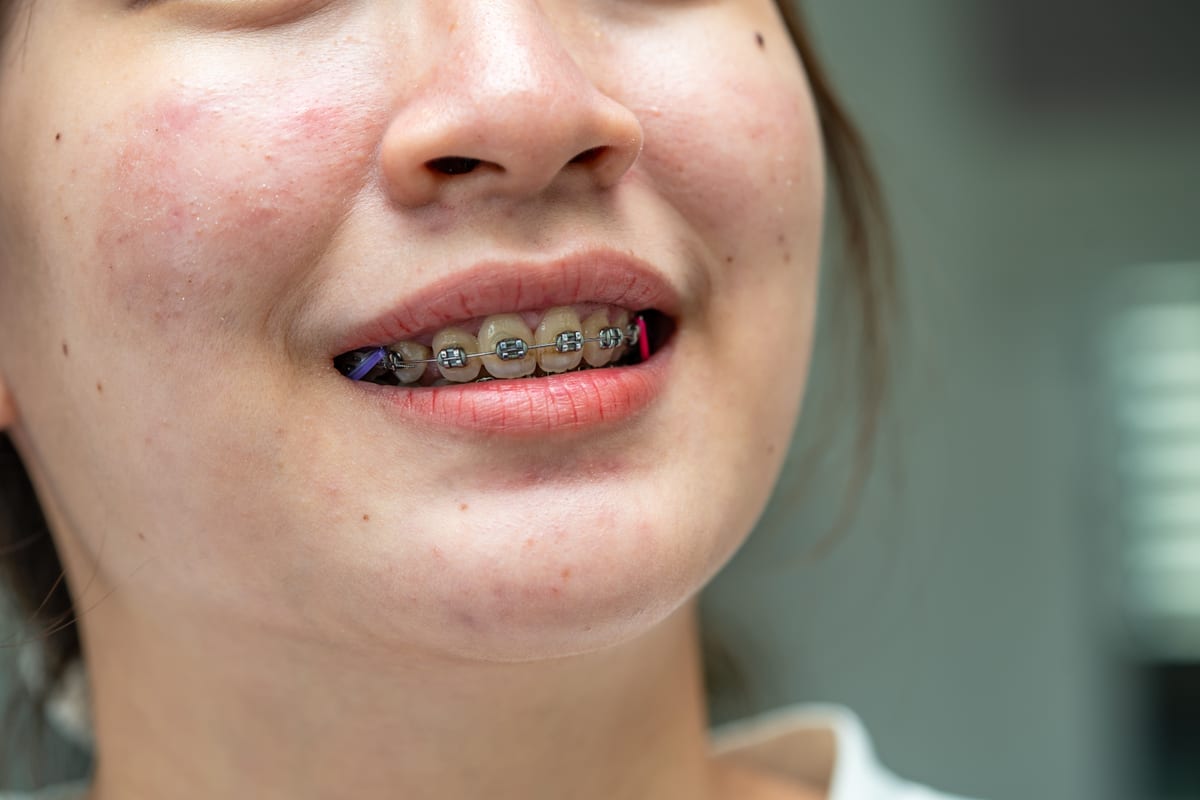
Every parent wants the best for their child’s smile. The good news is that you can stop expensive orthodontic problems before they start in Gilbert by acting early. Early intervention is one of the most powerful tools in pediatric dentistry. Dr. Austin McHenry and the team at My Pediatric Dentist help families understand what to watch for — and when to act.
Many parents wait until problems become obvious. By then, treatment is often longer, harder, and more costly. Catching issues early makes a real difference for your child’s long-term oral health.
Why Early Orthodontic Evaluation Matters in Gilbert
The American Association of Orthodontists recommends a first orthodontic evaluation by age seven. At this age, your child has a mix of baby and permanent teeth. This combination gives Dr. McHenry the best view of how the bite is developing.
Identifying problems early does not always mean treatment starts right away. In many cases, it simply means monitoring growth closely. However, some conditions respond far better to early treatment than to waiting.
Gilbert families benefit from early evaluations because subtle shifts in jaw development are easier to correct in younger children. Bones are still growing and more adaptable at this age. Waiting until the teen years can mean more complex solutions are needed.
Common Orthodontic Problems That Grow More Expensive Over Time
Not all bite issues are obvious. Some develop slowly and go unnoticed until they become serious. Here are the most common problems that become more expensive when left untreated:
- Crowding: Teeth that lack space can shift and overlap, making future alignment much harder.
- Crossbite: Upper teeth that sit inside lower teeth can cause uneven jaw growth.
- Overbite or underbite: These bite misalignments can strain jaw muscles and affect speech.
- Early tooth loss: Losing baby teeth too soon lets neighboring teeth drift into the gap.
- Thumb-sucking habits: Extended habits past age four can alter tooth and jaw position significantly.
Each of these conditions is far simpler to manage when caught early. Waiting allows the problem to worsen and the treatment window to close. Early action often reduces or eliminates the need for more invasive procedures later.
How Preventive Dentistry Supports Orthodontic Health
Preventive Dentistry is the foundation for a healthy, well-aligned smile. It goes beyond just brushing and flossing. Regular checkups allow Dr. McHenry to monitor jaw growth, tooth eruption patterns, and bite development over time.
Space maintainers are one example of a preventive tool that protects orthodontic health. When a baby tooth is lost early, a space maintainer holds room open for the incoming permanent tooth. This simple device can prevent crowding that would otherwise require braces or expanders.
Good oral hygiene habits also protect orthodontic health. Cavities in baby teeth can lead to premature tooth loss, which starts a chain reaction of shifting and misalignment. Preventing cavities is directly connected to preventing orthodontic complications.
Benefits of consistent preventive visits include:
- Early detection of bite problems before they worsen
- Monitoring for habits that affect tooth and jaw position
- Guidance on proper oral hygiene to protect developing teeth
- Fewer surprises and lower costs when treatment is eventually needed
- A calm, trusting relationship between your child and their dental team
What to Expect During an Early Orthodontic Screening at My Pediatric Dentist
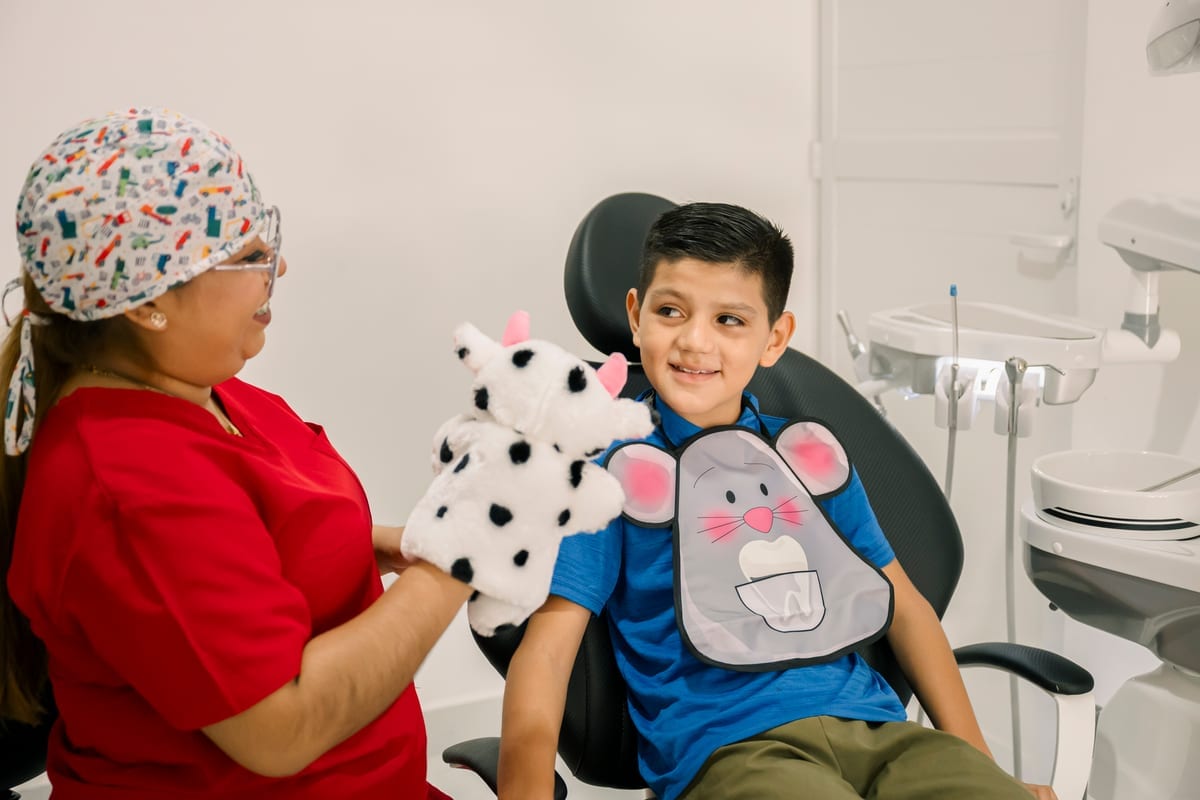
An orthodontic screening at our Mesa and Gilbert area office is straightforward and comfortable. Dr. McHenry examines your child’s bite, jaw alignment, and tooth spacing. The appointment is typically brief and non-invasive.
Digital X-rays give Dr. McHenry a detailed view of teeth still developing beneath the gumline. These images reveal crowding or impaction before it becomes visible. Parents receive a clear explanation of findings and a recommended plan going forward.
For children who feel anxious about dental visits, our office offers Sedation Dentistry options to keep them calm and comfortable. A relaxed child is more cooperative, which allows for a more thorough and accurate evaluation. We prioritize a positive experience at every appointment.
After the screening, families receive honest guidance. If early treatment would benefit your child, Dr. McHenry explains why and outlines the options. If waiting and monitoring is the better approach, he communicates that clearly too.
The Long-Term Cost of Waiting vs. Acting Early
Parents sometimes delay orthodontic evaluations because they worry about the cost of treatment. The reality is that earlier action nearly always reduces total treatment costs. Interceptive orthodontic treatment during growth is typically shorter and simpler than full treatment in the teen years.
Phase one treatment — done between ages six and ten — can guide jaw development and create space for incoming teeth. This can shorten or sometimes eliminate the need for Phase two treatment with traditional braces. The savings in time, discomfort, and expense are significant.
Beyond finances, early treatment often improves a child’s confidence. Crooked or crowded teeth can affect how children feel about smiling and speaking. Addressing these concerns during early childhood sets a positive tone for lifelong oral health habits.
Gilbert families who commit to early evaluations give their children a clear advantage. The investment in a simple screening today can prevent thousands of dollars in corrective treatment tomorrow. Prevention is always the smarter, more affordable path.
Taking the First Step Toward a Healthier Smile
You do not need to wait for a problem to become obvious before seeking help. If your child is approaching age seven — or if you have noticed crowding, bite issues, or prolonged habits — now is the right time to act. Dr. Austin McHenry and the team at My Pediatric Dentist are here to guide Gilbert families every step of the way.
Early orthodontic screening is one of the best investments you can make in your child’s future. It is quick, informative, and could save your family significant time and money. Book Now to schedule your appointment with our team.
Frequently Asked Questions
At what age should my child have their first orthodontic evaluation?
The American Association of Orthodontists recommends a first orthodontic screening by age seven. At this age, Dr. McHenry can identify developing bite issues while they are still easier to correct. Early evaluation does not always mean immediate treatment — it simply means staying ahead of potential problems.
Can preventive dental care really reduce orthodontic costs?
Yes, significantly. Regular preventive visits allow Dr. McHenry to catch issues like early tooth loss and crowding before they escalate. Simple interventions like space maintainers can prevent the need for more complex orthodontic work later. Prevention is consistently more affordable than correction.
What signs suggest my child may need early orthodontic attention?
Watch for crowded or overlapping teeth, difficulty chewing, mouth breathing, prolonged thumb-sucking past age four, and early or late loss of baby teeth. A crossbite or noticeably misaligned jaw is also worth evaluating promptly. When in doubt, an early screening provides peace of mind.
Is orthodontic screening uncomfortable for young children?
Not at all. An orthodontic screening is a gentle visual exam combined with digital X-rays. Most children find it quick and easy. Our team creates a calm, friendly environment so your child feels at ease throughout the visit. For anxious children, sedation options are available.
Does early orthodontic treatment eliminate the need for braces later?
Early treatment, also called Phase one treatment, can reduce or sometimes eliminate the need for comprehensive braces during the teen years. It guides jaw development and creates space for permanent teeth. While some children may still benefit from Phase two treatment, the scope and duration are often much smaller when Phase one is done effectively.


Specialized Pediatric Care You Can Count On