Visit our family dental office

When parents in Gilbert bring their children to My Pediatric Dentist, they often arrive with the same worries. Cavities are one of the most common chronic childhood conditions in the United States. The good news? Most cavities are completely preventable with the right habits and professional support. These are the 5 questions parents ask about preventing cavities in kids in Gilbert — answered honestly by Dr. Austin McHenry.
Question 1: When Should My Child First See a Dentist for Cavity Prevention?
Many parents are surprised to learn that a child’s first dental visit should happen by their first birthday. The American Academy of Pediatric Dentistry recommends this timeline for good reason. Early visits allow Dr. McHenry to spot developing risks before cavities form. Starting early sets a strong foundation for lifelong oral health.
During that first visit, parents receive personalized guidance on brushing, diet, and bottle habits. Children who start dental care early are far less likely to develop early childhood cavities. Think of it as a wellness check for your child’s smile. Preventive Dentistry works best when it begins at the very start.
Question 2: How Do Cavities Actually Form in Children’s Teeth?
Cavities form when bacteria in the mouth feed on sugar and produce acid. That acid slowly breaks down the hard outer layer of the tooth called enamel. Over time, a small hole — a cavity — develops in the tooth surface. Children are especially vulnerable because their enamel is thinner and softer than adult enamel.
Sugary drinks, sticky snacks, and infrequent brushing all speed up this process. Even fruit juice and flavored milk can contribute to cavity formation. The bacteria responsible are often passed from caregivers to babies through shared utensils or pacifier licking. Understanding how cavities start is the first step toward stopping them.
- Bacteria in plaque produce acid after feeding on sugar
- Acid erodes enamel over repeated exposures throughout the day
- Baby teeth are more vulnerable due to thinner enamel
- Nighttime bottle feeding dramatically increases cavity risk in toddlers
- Cavity-causing bacteria can be transmitted from parent to child
Question 3: What Are the Most Effective Ways to Prevent Cavities in Kids?
Cavity prevention is not complicated, but it does require consistency. These are the most effective strategies Dr. McHenry recommends for Gilbert families. When used together, they dramatically reduce your child’s risk of developing decay.
- Brush twice daily with a fluoride toothpaste appropriate for your child’s age
- Floss daily once two teeth are touching side by side
- Limit sugary and starchy snacks between meals to reduce acid attacks
- Serve water instead of juice or sports drinks throughout the day
- Schedule professional cleanings every six months so buildup does not accumulate
- Ask about dental sealants, which protect the chewing surfaces of back teeth
Fluoride plays a particularly important role in cavity prevention. It strengthens enamel and can even reverse very early decay. Dr. McHenry applies professional fluoride treatments right here at our Mesa-area practice. Combined with good home care, fluoride is a powerful tool in your child’s oral health toolkit.
Dental sealants are another excellent option for school-age children. They are painted onto the back molars and harden into a protective shield. Sealants block food and bacteria from settling into the grooves where cavities often begin. Many parents in Gilbert are surprised by how simple and painless the sealant process is.
Question 4: My Child Is Nervous About the Dentist — Can We Still Prioritize Prevention?
Absolutely — and you are not alone in asking this question. Dental anxiety is one of the most common concerns parents share with Dr. McHenry. A nervous child may resist brushing at home or become upset during dental visits. That anxiety can actually make cavity prevention harder if it is not addressed.
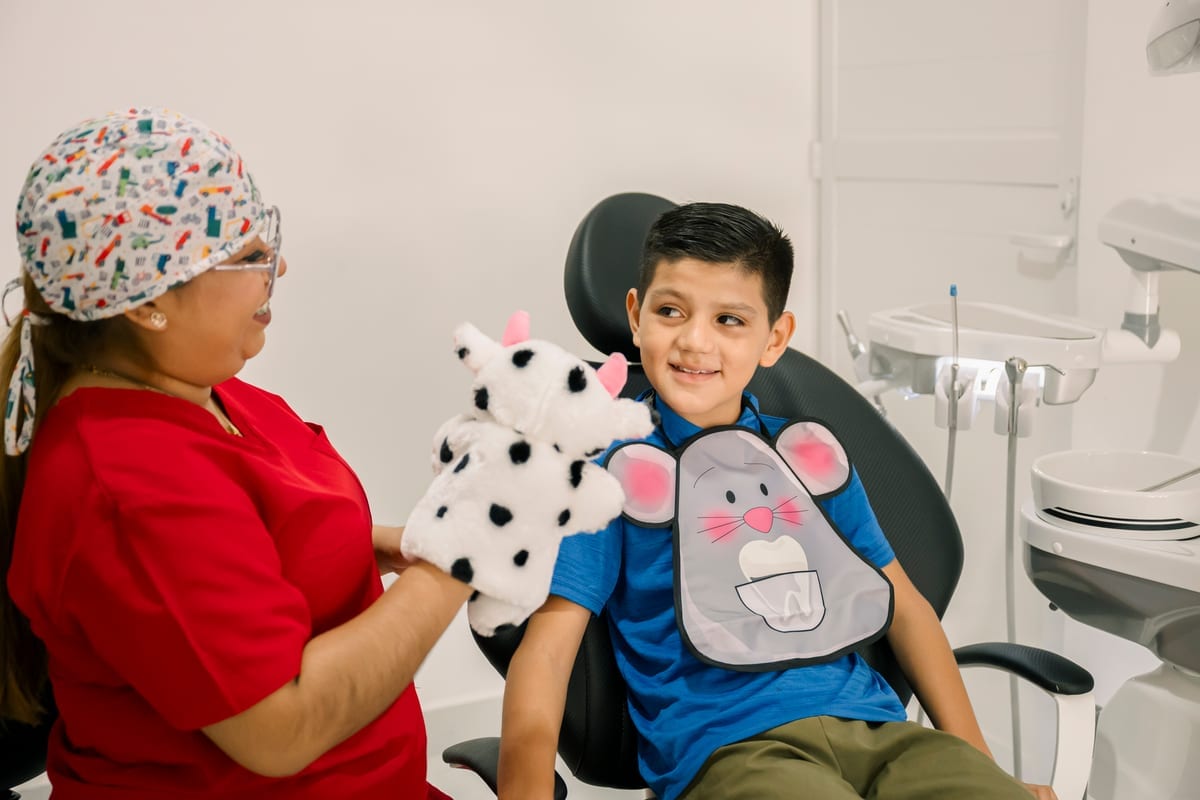
Our team at My Pediatric Dentist is specially trained to work with anxious children. We use child-friendly language, gentle techniques, and a calm environment to build trust. For children with more significant anxiety, Sedation Dentistry options are available to make visits comfortable and stress-free. A relaxed child is far more likely to cooperate with preventive care at every appointment.
Building positive dental experiences early actually reduces long-term anxiety. Children who feel safe at the dentist grow into adults who keep regular appointments. Prevention works best when kids are willing participants. Our goal is to make your child feel like a valued guest — not a patient who dreads the chair.
Question 5: Are Baby Teeth Really Worth Protecting from Cavities?
This is one of the most important questions we hear from Gilbert parents. Many assume that baby teeth do not matter because they will eventually fall out. In reality, baby teeth serve critical functions that affect your child’s overall health and development. Protecting them from cavities is absolutely worth the effort.
Baby teeth hold space in the jaw for incoming permanent teeth. When a baby tooth is lost early due to decay, neighboring teeth can drift and crowd the space. This can create the need for orthodontic treatment later on. Keeping baby teeth healthy helps ensure permanent teeth come in straight and well-positioned.
Cavities in baby teeth can also cause real pain and difficulty eating. A child with a toothache may struggle to focus in school or sleep through the night. Untreated decay can spread to surrounding teeth and even affect the developing permanent tooth underneath. Every baby tooth deserves the same care and attention as a permanent one.
Cavity Prevention Starts With a Visit to Dr. McHenry
The 5 questions parents ask about preventing cavities in kids in Gilbert all lead to the same answer: early, consistent professional care makes all the difference. Dr. Austin McHenry and the team at My Pediatric Dentist are here to guide your family every step of the way. We serve children from infancy through their teen years with compassionate, evidence-based care. Prevention today protects your child’s smile for a lifetime. Book Now to schedule your appointment with our team.
Frequently Asked Questions
At what age should I bring my child in for their first cavity prevention visit?
Dr. McHenry recommends scheduling your child’s first dental visit by their first birthday or within six months of their first tooth appearing. Starting early allows us to assess cavity risk and give parents personalized prevention guidance right from the start.
How often should children receive fluoride treatments?
Most children benefit from professional fluoride treatments every six months during their regular dental checkup. Children with a higher risk of cavities may be recommended to receive treatments more frequently. Dr. McHenry will evaluate your child’s individual needs and make a personalized recommendation.
Are dental sealants safe for young children?
Yes, dental sealants are safe and highly effective for children. They are a thin, protective coating applied to the chewing surfaces of the back teeth. Sealants are one of the most evidence-based cavity prevention tools available for school-age kids.
My child drinks a lot of juice — is that contributing to cavities?
Juice is a very common contributor to childhood tooth decay. Even 100% fruit juice contains natural sugars that feed cavity-causing bacteria. We recommend limiting juice to meal times and serving water throughout the rest of the day to protect your child’s enamel.
What should I do if I think my child already has a cavity?
If you suspect your child has a cavity, schedule an appointment as soon as possible. Early treatment prevents the decay from spreading and keeps your child comfortable. Signs of a cavity can include tooth sensitivity, visible spots on the tooth, or complaints of tooth pain.



Specialized Pediatric Care You Can Count On